
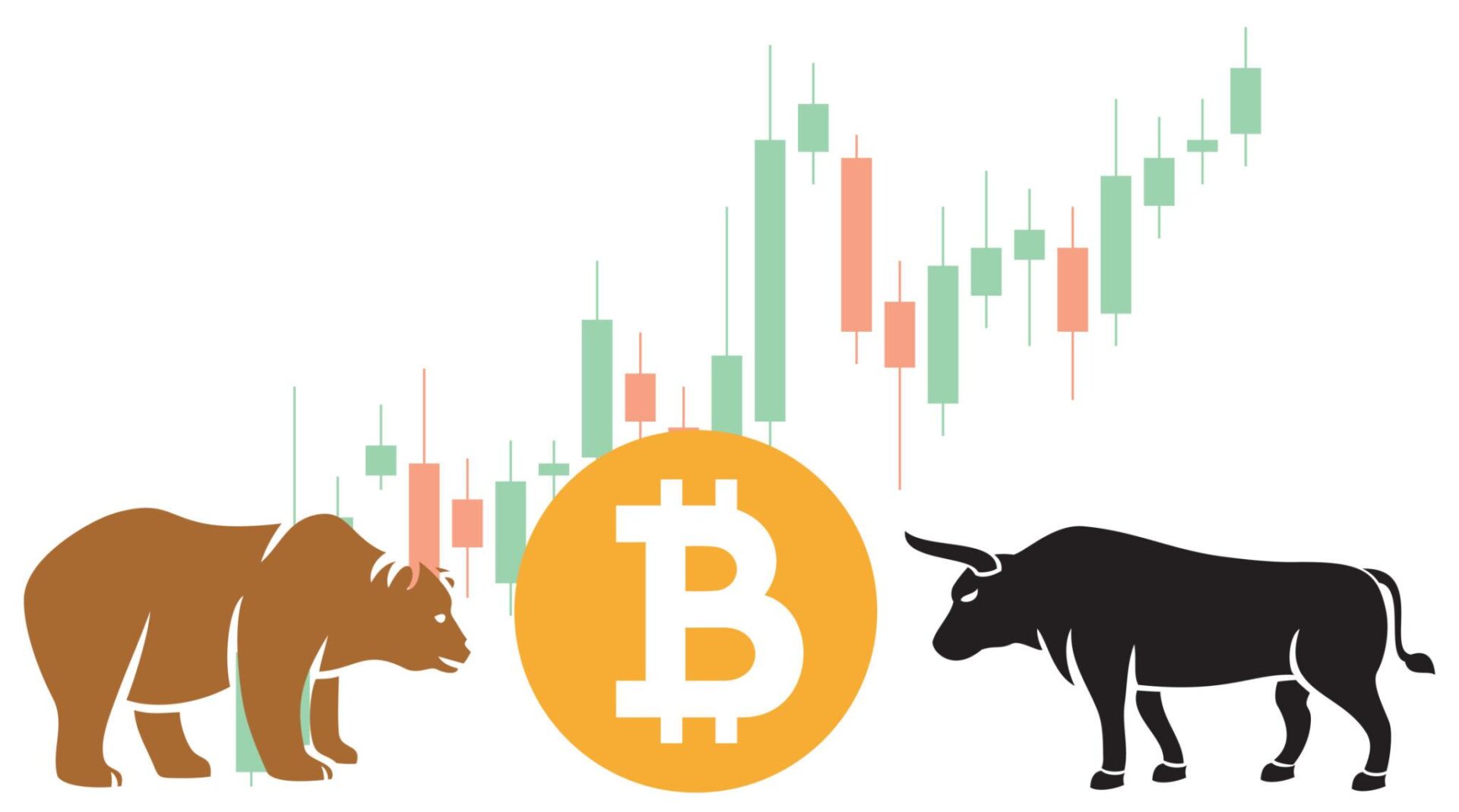
Bitcoin’s price movements often appear chaotic, but beneath the volatility lies a repeating behavioral pattern. Each cycle—bull market, peak euphoria, correction, and recovery—reflects collective human psychology as much as economic fundamentals.
Understanding the emotional drivers behind Bitcoin’s market cycles helps explain why prices tend to overshoot in both directions. Markets are not only driven by supply and demand; they are shaped by fear, greed, optimism, and uncertainty.
The Structure of a Typical Bitcoin Market Cycle
While no two cycles are identical, historical patterns reveal four broad psychological phases:
1. Accumulation Phase
This stage follows a major downturn. Prices stabilize after heavy losses, media attention fades, and public interest declines.
Investor sentiment during this period includes:
- Disbelief that recovery is possible
- Lingering pessimism from prior losses
- Low trading volumes
- Quiet buying by long-term investors
At this stage, institutional players and experienced investors often begin accumulating while retail participation remains minimal.
2. Markup Phase (Early Bull Market)
As prices gradually rise, confidence slowly returns. Positive news re-enters the narrative, and new participants begin noticing upward momentum.
Psychological drivers include:
- Renewed optimism
- Fear of missing out (FOMO)
- Confirmation bias from bullish headlines
- Social proof from peers entering the market
Momentum becomes self-reinforcing. Rising prices attract attention, which attracts more buyers, pushing prices higher.
3. Distribution Phase (Euphoria Peak)
This stage is marked by extreme enthusiasm. Media coverage intensifies, price predictions become aggressive, and retail participation surges.
Common psychological behaviors:
- Overconfidence
- Speculative leverage
- Herd mentality
- Unrealistic return expectations
During this phase, experienced investors often reduce exposure while new entrants buy aggressively. Emotional decision-making dominates rational analysis.
4. Markdown Phase (Bear Market)
When momentum weakens, uncertainty spreads quickly. Prices fall sharply, triggering panic selling and liquidations.
Psychological traits during this phase include:
- Fear-driven exits
- Capitulation
- Regret and self-blame
- Loss aversion
Loss aversion—the tendency to feel losses more strongly than gains—amplifies selling pressure. The emotional shift from euphoria to despair often happens rapidly.
Cognitive Biases That Fuel Bitcoin Cycles
Human psychology introduces recurring biases into financial markets. Bitcoin’s volatility amplifies these effects.
Herd Behavior
People tend to follow the majority, especially in uncertain environments. When prices surge, investors assume others possess superior information and follow suit.
Confirmation Bias
Investors seek information that supports their existing beliefs. During bull markets, positive news spreads quickly while risk warnings are dismissed.
Recency Bias
Recent price action influences expectations. After sustained gains, investors assume growth will continue indefinitely. After sharp declines, they expect further losses.
Anchoring
Market participants anchor to prior price highs or lows. For example, investors may consider previous all-time highs as “fair value,” influencing their buy or sell decisions.
Media and Social Amplification
Bitcoin’s cycles are intensified by digital communication channels. News spreads instantly across global markets, and social media magnifies emotional reactions.
In bull markets:
- Influencer narratives gain traction
- Viral price predictions circulate widely
- Retail participation accelerates
In bear markets:
- Negative headlines dominate
- Market skepticism increases
- Public sentiment shifts sharply
This amplification shortens emotional cycles and increases volatility.
The Role of Halving Events
Bitcoin’s programmed supply reductions, known as halvings, occur roughly every four years. While the halving reduces new supply, the psychological impact is equally significant.
Anticipation builds well in advance, creating speculative positioning. As expectations rise, narratives around scarcity intensify, contributing to bullish sentiment. When reality fails to match expectations immediately, disappointment can trigger corrections.
Institutional Influence on Market Psychology
As institutional participation increases, market behavior evolves. Professional investors often:
- Use risk management frameworks
- Hedge positions
- Apply long-term allocation strategies
However, institutions are not immune to psychological pressures. Fund managers face performance comparisons, investor scrutiny, and reputational risk, all of which influence decision-making.
Volatility as an Emotional Multiplier
Bitcoin’s volatility magnifies emotional responses. A 10–20% price swing within days is common, intensifying:
- Impulsive buying during rallies
- Panic selling during downturns
- Overleveraging in bullish conditions
- Capitulation at cycle lows
High volatility compresses emotional reactions into shorter time frames, accelerating both greed and fear.
Generational and Cultural Factors
Bitcoin also represents technological and ideological shifts. Younger investors often view it as digital innovation, while traditional investors may approach it cautiously.
This generational divide shapes sentiment cycles:
- Early adopters reinforce long-term conviction
- Skeptics contribute to bearish narratives
- Mainstream acceptance reduces stigma over time
Cultural perception evolves alongside price cycles.
Lessons From Repeating Patterns
Although timing market cycles precisely is difficult, recognizing psychological stages provides perspective.
Key takeaways include:
- Extreme optimism often signals elevated risk
- Widespread pessimism may signal undervaluation
- Emotional decision-making typically leads to poor outcomes
- Long-term discipline reduces cycle-driven stress
Bitcoin’s fundamentals evolve, but human psychology remains remarkably consistent.
Conclusion
Bitcoin market cycles are not random. They reflect collective behavioral patterns rooted in cognitive biases, emotional reactions, and social influence. From quiet accumulation to euphoric peaks and painful corrections, each phase mirrors recurring psychological tendencies.
While technology and regulation continue to develop, the human element remains constant. Investors who understand the psychological forces behind market cycles gain a clearer lens through which to interpret volatility and long-term trends.
Frequently Asked Questions (FAQs)
1. Why do Bitcoin bull markets often feel sudden?
Momentum builds gradually, but once public attention accelerates, rapid capital inflows can push prices sharply higher within a short time.
2. Can psychological patterns predict exact market tops and bottoms?
Psychological indicators can signal overheating or excessive fear, but they do not provide precise timing.
3. Does social media increase Bitcoin volatility?
Rapid information sharing and viral narratives can intensify emotional reactions, contributing to faster price swings.
4. Are long-term holders less affected by market psychology?
Long-term investors may experience less stress if they focus on multi-year trends rather than daily fluctuations, though emotional pressures still exist.
5. Why do new investors often enter near market peaks?
Heightened media coverage and strong recent returns create perceived opportunity, attracting participants late in the cycle.
6. How can investors reduce emotional decision-making?
Strategies include predefined allocation rules, disciplined rebalancing, avoiding excessive leverage, and focusing on long-term objectives.
7. Will Bitcoin’s cycles become less extreme over time?
As liquidity deepens and institutional participation grows, volatility may moderate. However, emerging asset classes often retain higher volatility compared to mature markets.
